It Starts With People
Did you know?
Your business could be held legally responsible for the conduct of your employees at work.
Emails. Messages. Conversations. Workplace “banter”.
A comment doesn't have to come from the CEO.
Management doesn't necessarily have to know it happened.
And what one employee considers harmless banter may be experienced very differently by another.
Could you prove you took all reasonable steps to prevent it?
It can start with something that seems insignificant.
Five moments.
Five risks.
What would your evidence say?

He lost his temper.
01The Outburst
A manager loses his temper with an employee in front of colleagues.
Maybe it's an isolated disagreement.
Maybe it isn't.
What could your business prove it did about it?
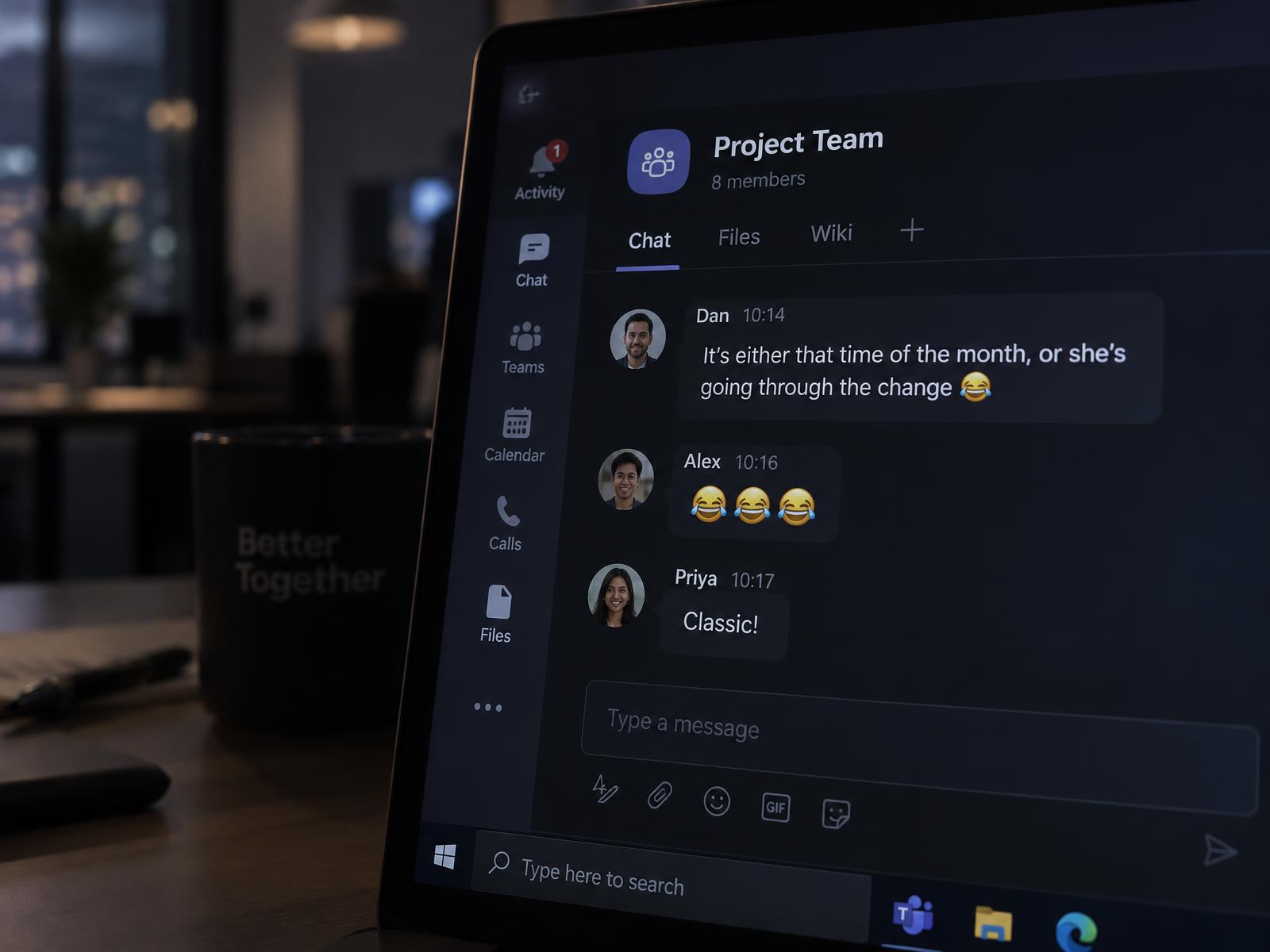
It was just a message.
02The Message
A quick message between colleagues.
It took 8 seconds to type.
It could be read years later in an employment tribunal.
Would you know this message existed?

They called it banter.
03The Comment
A comment as she walks past.
Nobody shouted. Nobody touched anybody. Nobody thought it was serious.
But that doesn't determine whether it crossed a legal line.
Does “just banter” protect your business?
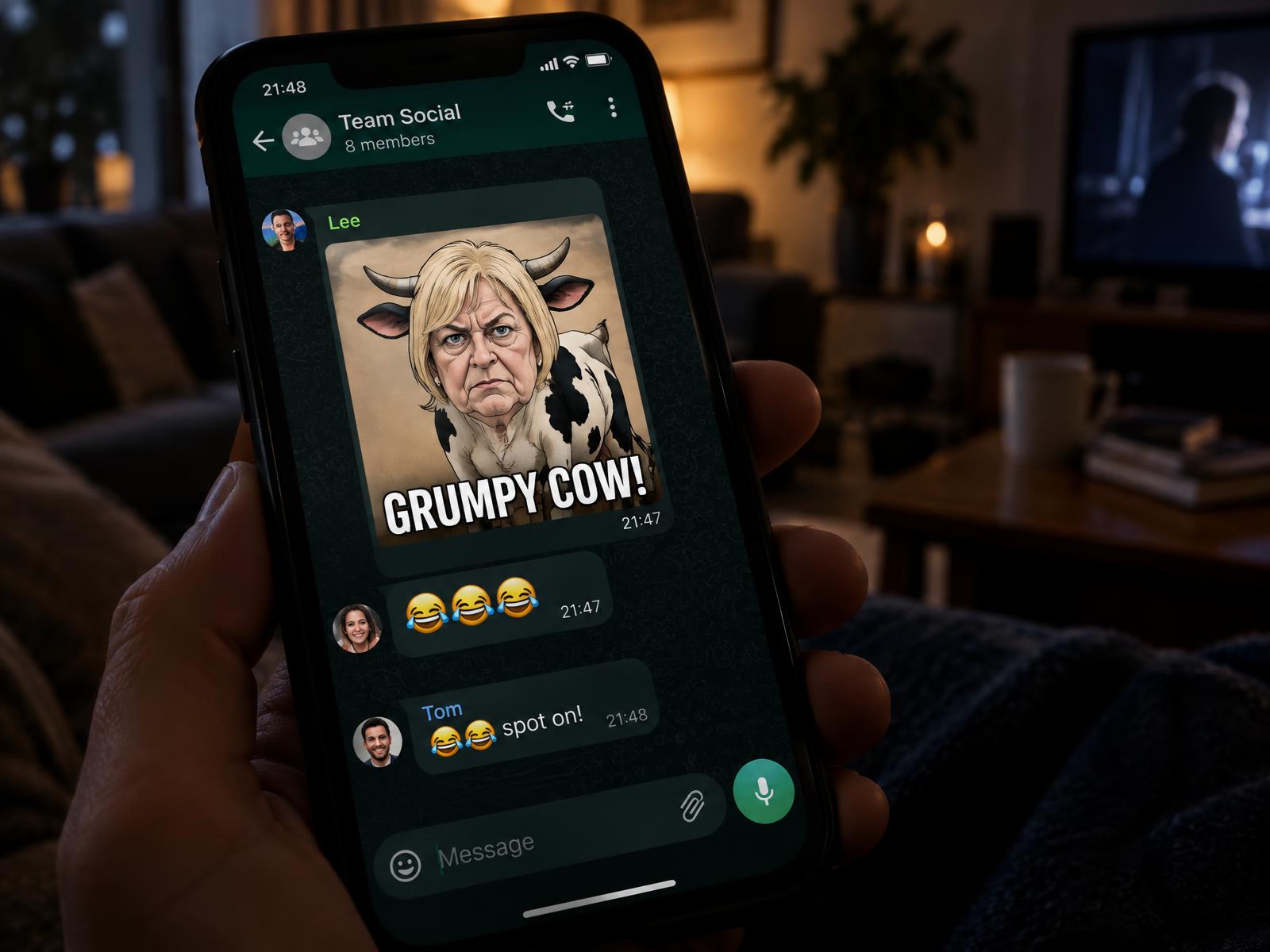
It happened after work.
04The WhatsApp Group
It happened at home. On a personal phone. Outside working hours.
Does that automatically mean it has nothing to do with your business?
No.
Where does your workplace actually end?

She told you.
05The Warning
She mentioned his comments before. They made her uncomfortable.
No grievance was raised. No investigation started. Nothing was recorded.
Six months later, what would your evidence say?
Did you take her concerns seriously enough?
None of these started as a tribunal case.
They started as a moment.
- A comment.
- A message.
- A joke.
- A complaint.
- A manager who did nothing.
If one of those moments happened in your business today, what would your evidence say?
If you were challenged tomorrow, could you prove what you did today?
Most workplace disputes don't begin as tribunal cases. They begin as everyday moments. The question is whether your business can demonstrate what it did when those moments occurred.
humanrisQ identifies gaps in your workplace governance, helps you take action and records the evidence of what you've done — so you're better prepared when decisions are challenged.

£0
Average sex discrimination award
Ministry of Justice, Employment Tribunal statistics 2023/24
And that's just the award.
What would the true cost be to your business?
- Legal fees
- Management time
- Sickness absence
- Lost productivity
- Reputational damage
- Employee morale
Could your business absorb the cost of something somebody dismissed as “just banter”?
£995,128Highest sex discrimination award, 2023/24Ministry of Justice, Employment Tribunal statistics 2023/24
How would your business absorb the unexpected cost of a single employment tribunal?
An award is only part of the financial exposure. Legal fees, management time, sickness absence, lost productivity and reputational damage can all add to the cost.
2027
Employment law is changing. Is your business prepared?
From 1 January 2027, under the Employment Rights Act 2025, the qualifying period for ordinary unfair dismissal protection falls from two years to six months, and the cap on the unfair dismissal compensatory award is removed.
Discrimination claims are separate: they already apply from day one, and their compensation is already uncapped.
Employers need more than policies. They need to demonstrate that appropriate steps were taken, concerns were addressed and decisions were properly documented.
Source: Employment Rights Act 2025, s.25; Commencement No. 4 Regulations 2026 (SI 2026/559); GOV.UK employer guidance.
The tribunal isn't the beginning of the problem.
It's where the problem becomes visible.
Policies matter.
Training matters.
Processes matter.
But:
Existence isn't evidence of effectiveness.
Real people. Real experience.
Don't take
our word for it.
These aren't hypothetical conversations.
Senior business leaders, employment lawyers and workplace specialists are talking openly about the risks, responsibilities and realities facing employers.
It Starts With People
Menopause awareness without action could increase tribunal claims | Helen Tomlinson
It Starts With People
We had policies. Insurance. Even video evidence. We still had to settle. | Mark Cowgill
It Starts With People
AI can now write a 20-page grievance. Here's what good employers do.
Recognising the risk is the first step. Knowing what to do about it is what matters.
humanrisQ helps employers identify workforce governance gaps, take appropriate action and build an evidence trail of the steps they've taken.
Could you prove you've taken all reasonable steps?
Not: “Do you have a policy?”
Not: “Have your managers completed training?”
But:
Could you prove your controls are actually working?
Your next workplace dispute may already be developing. Would you know?
Let's have a straightforward 20-minute conversation about workforce risk, legal exposure and what your organisation can do to strengthen its position.